Pachinko halls can feel completely different from one venue to another. Some places create a calm and structured environment, while others feel dynamic and full of motion. Often, this contrast is clear from the first moments inside, as the interior layout, visitor flow, and overall rhythm shape how the space feels almost immediately.
In well-known leisure areas, pachinko venues are often easy to notice and may operate for extended periods throughout the day. Even when a hall follows a familiar visual style, small updates are often introduced over time. These subtle changes help the venue feel current while still preserving the atmosphere that regular visitors appreciate.
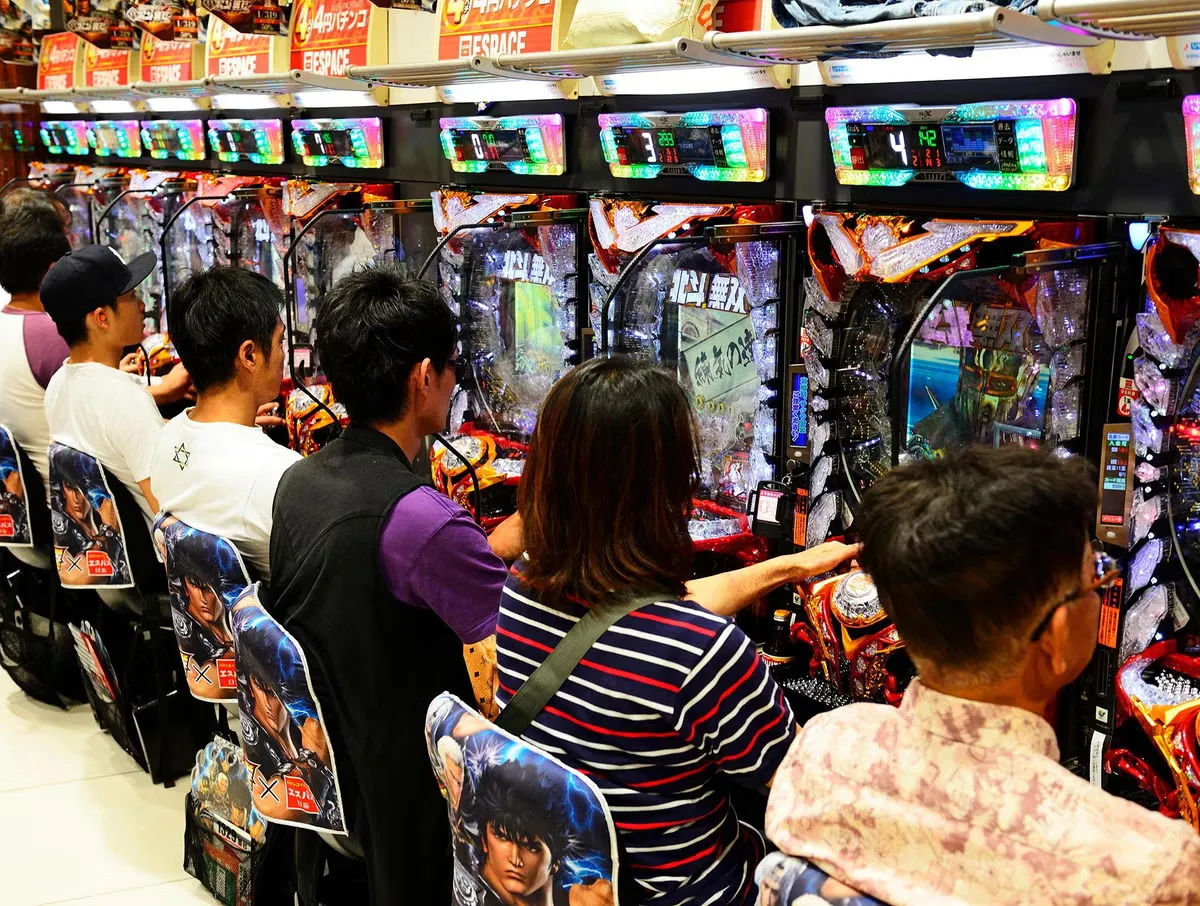
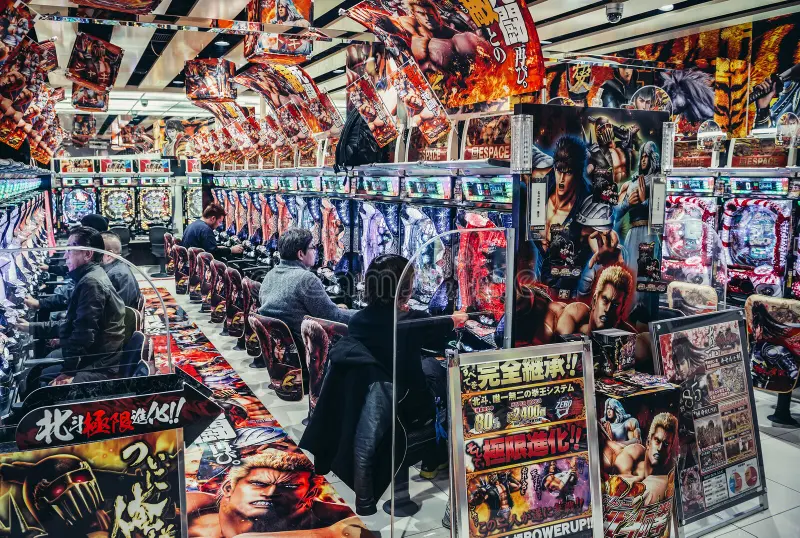
Some halls are designed for a slow and comfortable visit, where everything feels intuitive and relaxed. Others focus on a more active setting, using brighter surroundings and a faster pace. In these energetic venues, pachinko entertainment feels more intense, as the steady movement of visitors keeps the space lively for most of the day.
Pachinko halls located in busy entertainment zones often feel open and inviting. Many venues place strong emphasis on first impressions, creating entrances that feel accessible and welcoming. This type of environment suits visitors who enjoy a quicker rhythm and prefer a space where the atmosphere remains lively and engaging.
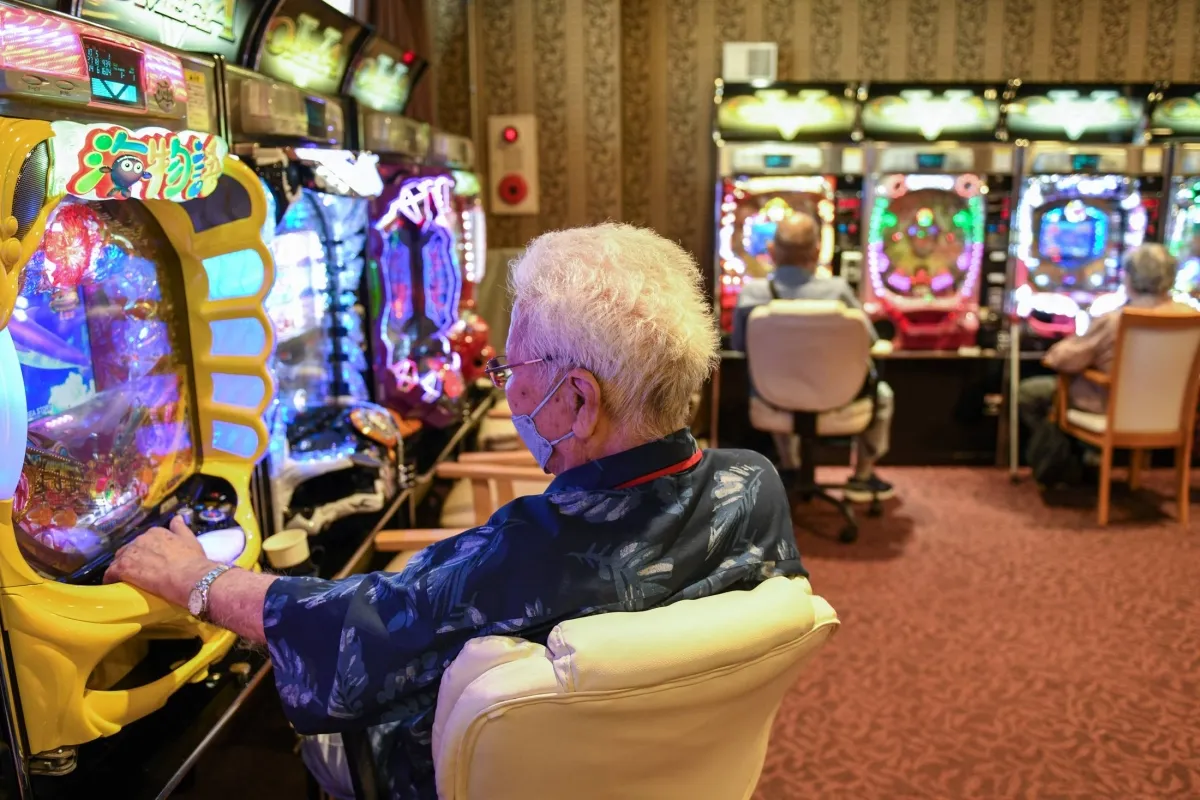
Modern pachinko venues often place comfort at the center of the experience, especially for guests who spend longer periods inside. Clean interiors, balanced indoor temperature, and seating designed for extended use are common priorities. The goal is to keep the visit pleasant and unhurried, allowing visitors to pause, relax, and enjoy pachinko entertainment at their own pace.
More traditional pachinko halls usually maintain a consistent and recognizable style. These venues often feel steady and familiar, reflecting long-standing leisure habits. They highlight the roots of pachinko entertainment and show how such halls became a regular and meaningful part of many people's free-time routines over the years.
Pachinko halls are more than simple indoor places where someone stops for a short break. Many pachinko venues feel like a regular part of everyday leisure, where the energy in the room feels sharedβeven if each visitor is focused on personal time. The steady background sound, the constant flow of people moving through the hall, and the quiet sense of others nearby all combine to create an environment that feels active, familiar, and naturally connected to pachinko entertainment.
Many pachinko halls feel welcoming the moment you enter, even when visitors are seated close to one another. Conversation is not required to feel at ease, because the venue follows its own steady rhythm. People arrive, settle in, and move around in a way that feels predictable and calm, which creates a connected feeling without making the space feel crowded.
One reason pachinko venues continue to attract visitors is their practical and simple layout. Most halls are organized in a way that feels natural to understand. Paths are easy to follow, areas feel structured, and the experience often stays smooth from the first few minutes until the moment you leave.
Pachinko entertainment works well with many schedules. Some visitors stop by for a short reset, while others stay longer for a slower and more relaxed visit. This flexibility is a big reason pachinko halls remain a natural option for leisure time.
Entering a pachinko hall can feel like stepping into a small snapshot of everyday leisure life. It reflects a tradition that continues through time, shaped by familiar habits, a comfortable mood, and the simple pleasure of returning to a place that feels easy to visit again and again.